Visual Storytelling in 2025: How AI Redefines Brand Expression
AI isn’t replacing human creativity. It’s reshaping how brands build meaning, coherence, and emotion at scale.
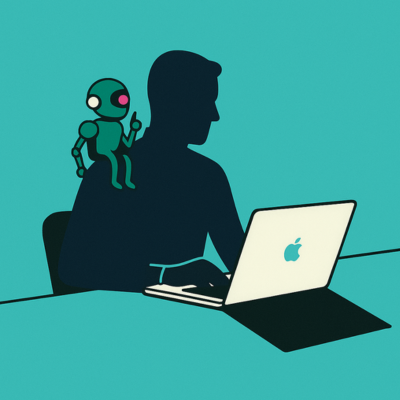
Meet Maya. She leads growth for a consumer brand, runs fast experiments, and expects creative assets to match the speed of her decisions. She uses AI to explore concepts, test visual variants, and surface performance signals before a campaign ever launches. For her, storytelling is no longer a creative ritual. It’s a system.
The new stakes of visual storytelling
Digital audiences now decide in fractions of a second what to ignore. Static design alone no longer carries a story. Brands need visual systems that spark emotion instantly, communicate with consistency, and adapt across formats. AI accelerates this shift, enabling teams to pair creative intent with operational speed.
How AI is reshaping brand expression
1. Acceleration of concept development
Storyboards, moodboards, and stylistic explorations emerge in minutes. Early creative friction disappears, allowing teams to evaluate ideas rather than spend days producing them.
2. Consistency at scale
AI helps maintain visual coherence across campaigns, channels, and geographies. For lean teams, this acts as a functional substitute for an art-direction layer, reducing drift while preserving identity.
3. Creativity informed by real signals
Performance data reveals which visual elements resonate. AI integrates these insights into new iterations, enabling targeted variations without compromising a brand’s core personality.
The risks: where human judgment remains essential
AI-generated visuals raise strategic questions. Some styles may drift too close to existing copyrighted work. Emotion-heavy imagery can feel manipulative without firm brand alignment. And over-automation risks generic output that weakens differentiation. AI should co-create, not dictate.
How brands can get started
Building an AI-enhanced storytelling system requires structure. Define a prompting framework that sets tone, composition, and narrative rules. Use AI for rapid visual variants and validate them with real audience signals. And apply human creative oversight to protect meaning, ethics, and identity.
A more expressive future
Visual storytelling is becoming faster, more iterative, and more strategically anchored. Teams that integrate AI with intention will build brands that are not only more coherent, but more emotionally precise in a crowded digital landscape.